Understanding Seasonal Pool Care Requirements
Owning a pool is one of life's genuine pleasures — until the water turns green, the pump starts groaning or the chemistry goes sideways after a long stretch of rain. For many pool owners, these moments feel like they come out of nowhere. The reality is they rarely do. Most pool problems are seasonal, predictable and entirely preventable with the right care at the right time of year.
Whether you swim every day in summer or only dip in over the holidays, your pool is constantly responding to changes in temperature, rainfall, sunlight and usage. Understanding how each season affects your water and equipment is the first step to keeping everything running smoothly year-round.
How Summer Heat Affects Your Pool
Summer is when pools get the most love — but also when they take the biggest hit. High temperatures accelerate the rate at which chlorine breaks down in the water, meaning the chemical balance you set on Monday may need attention by Thursday. Add heavy sunlight, increased bather load and the odd afternoon storm, and you have a recipe for rapid water quality changes.
During summer, pool owners should pay close attention to:
- Chlorine levels, which can drop quickly in heat and direct UV exposure
- Algae growth, which thrives in warm, unbalanced water
- Filtration run times, which may need to increase during peak usage periods
- Water loss through evaporation, which can affect chemical concentrations
Autumn Leaves & What They Do to Your Water
As the weather cools and trees begin to shed, organic debris becomes one of the biggest threats to pool health. Leaves, bark, seed pods and garden runoff all introduce organic matter that feeds algae and disrupts water chemistry. Left unmanaged, this debris can stain pool surfaces, block filters and create cloudiness that's difficult to clear without a proper treatment plan.
Autumn is a good time to:
- Increase how often you skim and clean the pool
- Check and clean the filter basket and cartridge
- Test water chemistry more frequently as organic load increases
- Consider a phosphate remover to reduce algae fuel in the water
Why Winter Pool Maintenance Still Matters
A common misconception is that pools can be largely ignored during the cooler months. While usage drops, the water doesn't stop reacting to its environment. Cooler temperatures slow algae growth but don't stop it, and reduced sunlight changes how quickly your sanitiser is consumed. Lower bather load can also lead to water becoming stagnant if circulation and filtration aren't maintained.
Neglecting your pool in winter often means a much harder and more expensive job come spring. To stay on top of it:
- Keep the pump running for at least a few hours each day
- Test water chemistry monthly at minimum
- Monitor for early signs of algae or discolouration
- Check equipment seals and fittings, as cold temperatures can affect components over time
Getting Your Pool Spring-Ready
Spring is arguably the most important season for pool maintenance. After months of reduced use, the pool needs a proper assessment before the warmer weather arrives and swimming season kicks back in. Water that sat through winter may be unbalanced, cloudy or harbouring early algae, even if it looks clean on the surface.
A thorough spring start-up typically involves:
- A full water test to assess pH, chlorine, alkalinity and calcium hardness
- Cleaning and backwashing the filter
- Brushing pool walls and floor to dislodge any surface build-up
- Checking all equipment — pumps, chlorinators, heaters and lights — for winter wear
- Topping up chemicals to bring the water back into balance before heavy use begins
Water Chemistry Changes Across the Seasons
Pool water chemistry is not a set-and-forget exercise. Every season brings different conditions that shift the balance of your water, and what works in June will likely need adjusting by December. Temperature affects how quickly chlorine dissipates. Rainfall dilutes chemicals and introduces contaminants. Sun intensity influences stabiliser effectiveness. And bather load — whether it's a house full of kids over Christmas or a quiet couple in winter — changes how quickly sanitiser is consumed.
The key chemical parameters to monitor throughout the year include:
- pH (ideally between 7.2 and 7.6)
- Free chlorine levels
- Total alkalinity
- Calcium hardness
- Cyanuric acid (stabiliser)
Getting these right isn't just about clear water — it protects pool surfaces, equipment and the health of everyone who swims.
The Role of Regular Water Testing
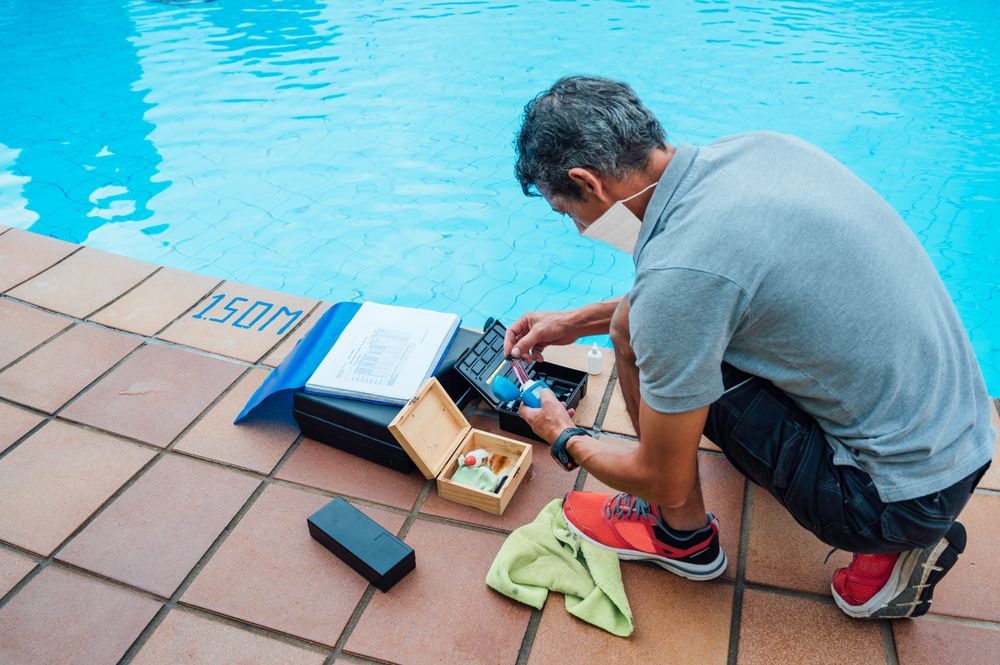
Water testing is one of the most underrated parts of pool ownership. It's tempting to judge water quality by how it looks, but chemistry imbalances are often invisible until they've already caused damage. A pool can look crystal clear while harbouring chlorine levels that are too low to sanitise properly, or pH levels that are slowly etching plaster and corroding equipment.
Regular testing — ideally weekly during summer and fortnightly in cooler months — gives you an accurate picture of what's happening in your water before problems develop. For pool owners who want a more detailed analysis, professional water testing goes further than home test kits, checking a broader range of parameters with greater accuracy.
Many pool owners find it helpful to visit their local pool shop Ballina residents rely on for seasonal guidance, and to:
- Keep a simple log of test results over time to spot trends
- Bring a water sample in for professional analysis at least once per season
- Use a reliable home test kit for routine checks between professional visits
Choosing the Right Pool Supplies Year-Round
Not all pool products are suited to every season or every pool type. Using the wrong chlorine product in high summer, for example, can lead to rapid degradation and wasted product. Similarly, algaecides, clarifiers and balancing chemicals all work differently depending on water temperature and existing chemistry. Stocking up on the right supplies for each season means you're prepared when conditions change quickly — which they often do. At minimum, a well-stocked pool owner should have:
- A suitable sanitiser (chlorine tablets, liquid chlorine or salt cell, depending on your system)
- pH increaser and decreaser
- Alkalinity increaser
- Algaecide for prevention during warm and wet periods
- A water clarifier for post-storm or high-use periods
- A reliable test kit or test strips
Getting advice from a knowledgeable pool shop near me — or better yet, one with experienced staff who know local conditions — can save money and prevent the frustration of using products that aren't suited to your pool's current needs.
When to Call in a Professional
There's a point in every pool owner's journey where a problem becomes bigger than a DIY fix. Persistent algae that won't clear, recurring chemical imbalances despite correct dosing, equipment that keeps underperforming or pool surfaces showing signs of damage — these are all situations where professional input saves time, money and stress.
Beyond problem-solving, professional pool servicing also makes sense as a preventative measure. A trained technician can spot early warning signs that are easy to miss, adjust equipment settings for seasonal changes and ensure everything is running efficiently. For holiday property owners especially, having a professional maintain the pool between visits removes the guesswork and protects the investment.
Signs it's time to bring in a professional:
- Water that won't clear despite chemical treatment
- Unexplained drop in water level
- Pump or filter making unusual noises
- Green or brown staining on pool surfaces
- Chemical readings that are consistently out of range
- Pool hasn't been serviced heading into a new season
Ready to Keep Your Pool in Shape All Year?
At Ballina Pool Shop, we understand what Northern Rivers pools go through across the seasons — from the intense summer humidity and afternoon storms to the cooler, quieter winter months. Coastal conditions, high rainfall periods and warm temperatures year-round create unique challenges for local pool owners, and staying ahead of them takes the right products, the right advice and the right support.
Whether you need a full water analysis, help stocking up on seasonal supplies or professional maintenance you can rely on, our team is here to help. Visit us in-store, call us on 02 6686 5800 or head to
our website to find out more about what we offer. EOF