How To Choose The Right Pool Pump For Energy Efficiency
If your pool power bill has crept up over the years, the pump is often the first place to look. The pump runs more than any other piece of equipment, and it’s responsible for circulating water through the filter, heater and chlorination system. It’s also one of the most common pieces of equipment to be oversized or replaced incorrectly, which can lock you into higher running costs for years.
Choosing the right pump isn’t about grabbing whatever is “strong” or replacing the old unit with the same horsepower. It’s about selecting a pump that suits your pool size, plumbing, filtration system and how you use your pool. When everything is properly matched, the system runs smoother, quieter, and more efficiently.
This guide breaks down the practical considerations that help pool owners choose an efficient pool pump without the guesswork.
The Pump Is the Biggest Power User in Most Pools (So It Pays to Get It Right)
Pool pumps work hard and run frequently, which is why they have a significant impact on energy use. Many pool owners focus on chemicals and cleaning, but overlook the fact that the pump is the main contributor to ongoing operating costs.
- Pumps often run for hours per day, which means even small efficiency gains make a noticeable difference
- An oversized pump can waste power and put unnecessary stress on filters and plumbing
- A correctly sized, efficient pump can improve circulation without pushing flow too hard
If you’re looking to reduce running costs long term, upgrading the pump is one of the most practical changes you can make, especially when the current unit is ageing or noisy.
Start With Your Pool Size and Turnover Needs, Not Just the Old Pump Model
Replacing a pump with the same model may seem like the safe option, but it doesn’t always meet the pool’s actual needs. Pools change over time. Equipment can be upgraded. Plumbing can be altered. Even the way you manage the pool can change with the seasons and household use.
- Pool volume and required turnover help determine how much water needs to circulate daily
- Flow rate should suit your filter, chlorinator and any extras like heaters or waterfalls
- The “old pump” may have been oversized, meaning replacing like-for-like keeps the same inefficiency
A better approach is to base your selection on how your pool system performs now. A
pool shop can help calculate the correct pump size and recommend options that meet the required turnover without wasting power.
Single-Speed vs Variable-Speed: The Efficiency Difference That Adds Up
The biggest leap in pump efficiency typically comes down to the type of pump. Single-speed pumps operate at a single, fixed speed, drawing the same power every time they are in use. Variable-speed pumps can run at lower speeds for normal filtration, using less electricity while still circulating water effectively.
- Variable-speed pumps often reduce energy use because low-speed running draws far less power
- Lower speed circulation can reduce wear on filters and plumbing while maintaining water quality
- They’re also often quieter, especially when running for longer hours at low speed
If your goal is a genuinely efficient pool pump, variable-speed technology is often where the biggest running cost savings come from over time, particularly for pools that need longer circulation cycles.
Matching the Pump to Your Filter and Plumbing: Avoiding Noise, Stress and Poor Flow
Efficiency isn’t just about the pump itself. A pump needs to suit the plumbing system and filter it’s connected to. If the pump is too strong for the plumbing, it can create excessive pressure, noise and reduced filtration performance.
- Oversized pumps can cause high filter pressure and shorten equipment lifespan
- Plumbing layout, pipe size and bends create resistance that affects pump performance
- A correctly matched pump supports steady flow, which helps filtration and water clarity
This is also where the notion that “bigger is better” becomes a mistake. More power does not automatically mean better circulation. In many cases, it simply means higher costs and increased stress on the system.
Timing and Run Hours: How Programming Can Save More Than You Think
Even the most efficient pump can cost more than it should if it’s run at the wrong times or for longer than needed. Pump scheduling is one of the easiest ways to reduce energy use without changing equipment, especially when combined with variable-speed settings.
- Running during off-peak times can help reduce electricity costs, depending on your energy plan
- Longer, slower pump runs often use less energy than short high-speed cycles
- Seasonal adjustments matter, because circulation needs change with water temperature and bather load
Programming and timers can also help maintain consistency, which supports clearer water and fewer chemistry swings. Many
pool shops can help set run times based on your pool’s needs.
Signs Your Pump Is Costing You More Than It Should
Sometimes the clearest sign you need to rethink your pump is the way it behaves. Pumps don’t always fail suddenly. They often become inefficient first, with warning signs that appear in noise, performance, and energy use.
- Loud operation, rattling, or vibration may indicate wear or incorrect sizing
- Poor suction, frequent priming issues, or uneven pressure can suggest underlying problems
- Higher-than-expected energy bills can signal a pump running harder than it needs to
If your pump is older, noisy, or struggling to circulate effectively, it may be using more power than necessary. A pump assessment can help determine whether servicing, adjustment or replacement is the best next step.
Don’t Forget the Whole System: Clean Filters and Good Water Balance Protect Efficiency
Pump efficiency is affected by everything around it. A dirty filter increases resistance, causing the pump to work harder. Poor water balance can also affect filtration and circulation by encouraging scale buildup or producing cloudy water that requires extra run time.
- Filters should be cleaned regularly to reduce strain and maintain steady flow
- Poor water balance can lead to scale or blockages that reduce circulation efficiency
- Consistent maintenance helps pumps run at lower pressure and reduces energy demand
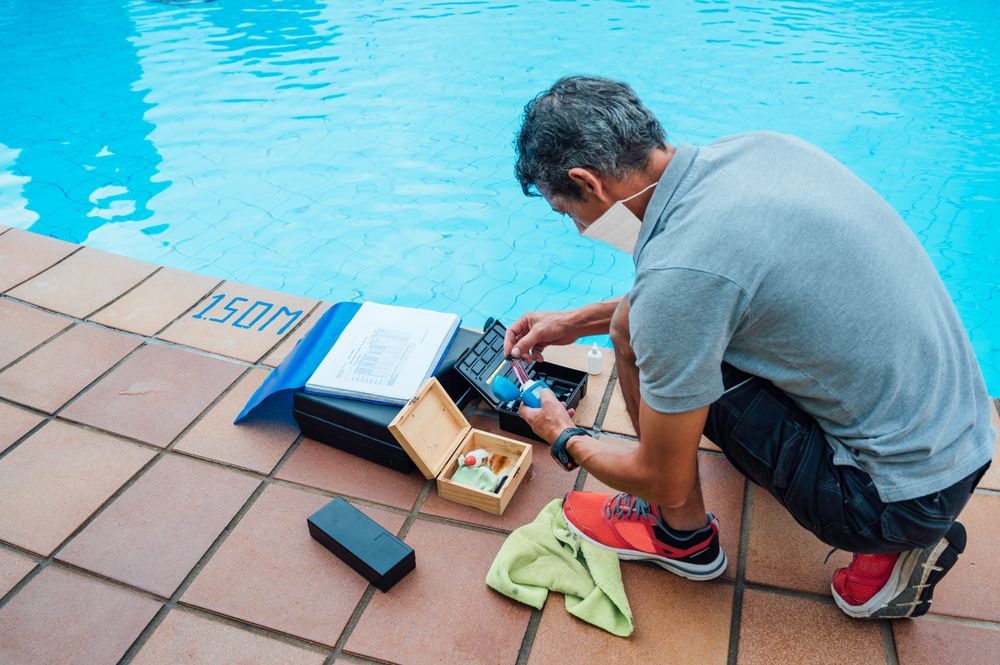
To ensure the pump runs efficiently, regular filter care and water testing should be part of the routine. It’s a simple way to protect your equipment and keep running costs under control.
Choosing an Efficient Pool Pump With Local Advice (So You Don’t Guess and Regret It)
Choosing the right pump is easier when you have support from professionals who deal with pool systems on a daily basis. A reputable pool shop can help you avoid oversizing, select the right technology, and ensure the pump is compatible with your filtration and plumbing setup.
- Bring key details like pool size, filter model, and pump specs for the best advice
- Local support helps you choose an option that suits your system, not just the cheapest unit
- Ongoing help with setup, run-time programming and maintenance protects efficiency long term
If you’re looking for a pool shop in Byron Bay offering local supply, advice and servicing options, working with a nearby pool shop helps take the guesswork out of pump selection and ongoing care.
If you’re managing a pool in Ballina or the surrounding areas, including Byron Bay, energy efficiency is crucial, especially when pumps can run for hours each day during the warmer months. Here at
Ballina Pool Shop, we
help pool owners choose the right
equipment, including an efficient pool pump that suits their pool size, filtration system and usage. Visit
https://www.ballinapoolshop.com.au/ to
speak with the team, compare pump options, and get practical advice for long-term savings and reliable circulation.